
Blog
The Fascinating Journey of Paint by Numbers: From Concept to Cultural Phenomenon

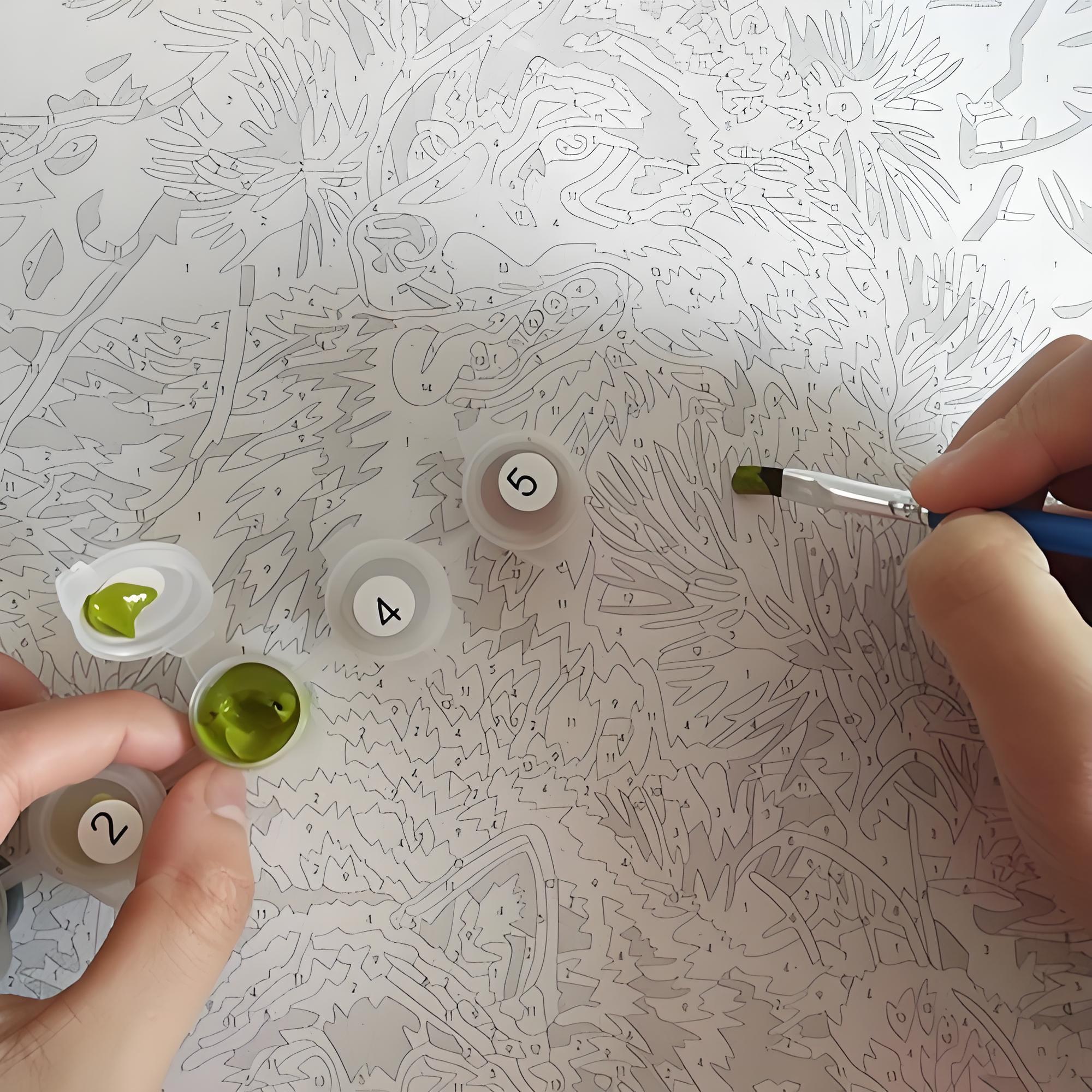
Paint by numbers kits have become a beloved pastime for many, allowing individuals of all skill levels to create beautiful artwork with ease. But how did this innovative concept come to be? The story begins with a visionary artist named Dan Robbins, whose creative spark ignited a movement that would change the way people engage with art. This article delves into the origins of paint by numbers, exploring its historical context, the creative process behind its invention, and its lasting impact on popular culture.
The Historical Context of Paint by Numbers
Post-War America and the Rise of Leisure Activities
In the aftermath of World War II, American society underwent significant changes. With soldiers returning home and the economy booming, people found themselves with more leisure time than ever before. This newfound freedom led to a surge in hobbies and recreational activities, as individuals sought ways to unwind and express their creativity. Paint by numbers emerged as a perfect solution, offering a structured yet enjoyable way for people to engage with art.
The Influence of Art Education
During this period, art education was gaining traction, with many schools incorporating creative subjects into their curricula. The idea that anyone could be an artist began to take root, challenging traditional notions of artistic talent. This cultural shift set the stage for the introduction of paint by numbers, which promised to democratize art and make it accessible to all.
The Visionary Behind the Concept: Dan Robbins
Early Life and Career
Dan Robbins was born in 1920 in Detroit, Michigan. He developed a passion for art at a young age, eventually pursuing a career in commercial art. In 1949, Robbins joined the Palmer Paint Company, where he worked as a package designer. It was here that he would conceive the idea that would revolutionize the art world.
The Spark of Inspiration
The concept of paint by numbers was inspired by the teaching methods of renowned artists like Leonardo da Vinci. Robbins recalled how da Vinci would assign numbered sections to his students, guiding them in their artistic endeavors. This idea resonated with Robbins, who saw an opportunity to create a product that would allow anyone to experience the joy of painting without the intimidation often associated with traditional art forms.
The Birth of Paint by Numbers
The Initial Concept
In 1950, Robbins pitched his idea for paint by numbers to Max Klein, the owner of Palmer Paint Company. Initially met with skepticism, Klein eventually recognized the potential of the concept and encouraged Robbins to develop it further. The first prototype, titled "Abstract No. 1," was created, featuring a vibrant still life design.
Overcoming Challenges
Despite the initial excitement, the journey to bring paint by numbers to market was fraught with challenges. The first design was deemed unmarketable, prompting Robbins to pivot towards more relatable themes, such as landscapes and portraits. This shift proved successful, as the new designs resonated with a broader audience.
The Launch and Popularity of Paint by Numbers
The 1951 New York Toy Fair
The turning point for paint by numbers came during the 1951 New York Toy Fair, where Robbins and Klein showcased their kits. The demonstration at Macy's was a resounding success, leading to widespread interest and sales. The catchy slogan, "Every man a Rembrandt," captured the imagination of the public, positioning paint by numbers as a gateway to artistic expression.
A Cultural Phenomenon
By the mid-1950s, paint by numbers had become a cultural phenomenon, with millions of kits sold across the United States. The appeal of these kits lay in their simplicity and accessibility, allowing individuals to create impressive artwork without prior experience. The trend transcended demographics, attracting both children and adults alike.
The Artistic Process Behind Paint by Numbers
Creating the Kits
The process of creating paint by numbers kits involved several steps. First, artists would paint an original artwork, which would then be overlaid with a transparency to outline the shapes corresponding to different colors. Each section was assigned a number, guiding users in their painting journey. This meticulous approach ensured that even novice painters could achieve satisfying results.
The Role of Color
Color selection played a crucial role in the success of paint by numbers. Initially, kits featured a limited palette, but as demand grew, manufacturers expanded the range of colors available. This evolution allowed for more intricate designs and greater creative freedom, further enhancing the appeal of the kits.
Criticism and Controversy
The Art World’s Response
Despite its popularity, paint by numbers faced criticism from some quarters of the art community. Detractors argued that the kits oversimplified the creative process and diminished the value of traditional artistry. Critics often dismissed paint by numbers as mere kitsch, suggesting that it lacked the depth and complexity of genuine artistic expression.
The Defense of Paint by Numbers
In response to the criticism, Robbins maintained that paint by numbers was not intended to replace traditional art but rather to provide an accessible entry point for those who might otherwise shy away from painting. He emphasized the importance of the experience itself, allowing individuals to engage with art in a meaningful way.
The Legacy of Paint by Numbers
A Lasting Impact on Popular Culture
Paint by numbers left an indelible mark on American culture, influencing not only hobbyists but also artists and designers. The kits became a symbol of creativity and self-expression, inspiring countless individuals to explore their artistic potential. Over the years, paint by numbers has been referenced in various forms of media, from television shows to art exhibitions.
Resurgence in Popularity
In recent years, paint by numbers has experienced a resurgence in popularity, particularly among adults seeking a relaxing and therapeutic outlet for creativity. The rise of social media has further fueled interest, with enthusiasts sharing their completed works and connecting with others who share their passion.
The Future of Paint by Numbers
Innovations in Design
As technology continues to evolve, so too does the world of paint by numbers. Modern kits now incorporate innovative designs and materials, allowing for even greater creativity. Digital platforms have emerged, enabling users to create custom paint by numbers kits based on their own photographs, further personalizing the experience.
A Timeless Hobby
Despite the changes in design and technology, the essence of painting by numbers remains the same: a simple, enjoyable way for individuals to engage with art. As long as there are people seeking creative outlets, paint by numbers will continue to hold a special place in the hearts of hobbyists and artists alike.
The story of paint by numbers is one of innovation, creativity, and accessibility. Dan Robbins' vision transformed the way people interact with art, making it possible for anyone to pick up a brush and create something beautiful. As we celebrate the legacy of paint by numbers, we honor the spirit of artistic expression that it embodies, reminding us that art is for everyone, regardless of skill level. Whether you are a seasoned artist or a curious beginner, paint by numbers invites you to explore your creativity and discover the joy of painting.
This article provides a comprehensive overview of the history and significance of paint by numbers, highlighting the contributions of Dan Robbins and the cultural impact of this beloved pastime. The structure and content are designed to engage readers while optimizing for search engines, ensuring that the article reaches a wide audience.